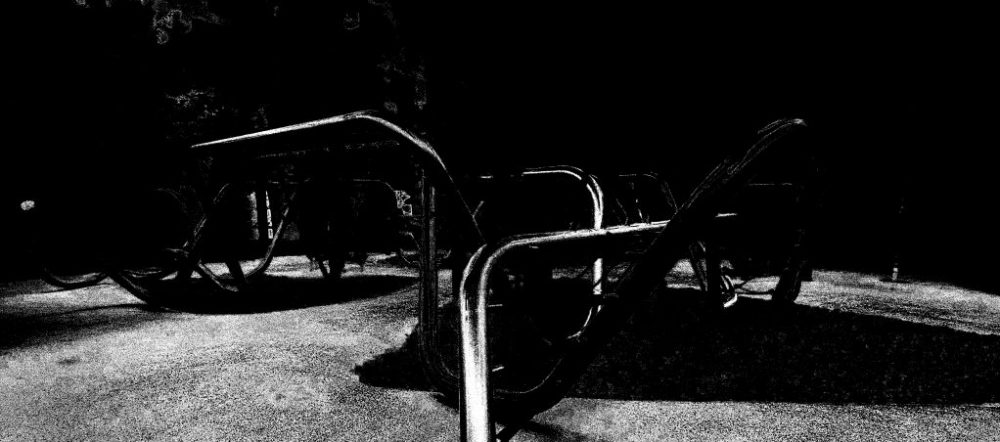
- Making Everyday Spaces Visible
To research the Chilton Square playground, I want to understand how children and adults used the same space. I recorded the playground at three different tomes, then made maps and grid using different colours. By dividing the space into smaller areas, I compare where children and adults appeared at different times. This methods help me notice the patterns that I might have missed trough casual obsevation.
- Perec and the process of observation
In Species of Spaces and Other Pieces, Georges Perec explores everyday spaces and the things around us (Perec, 2008). This connects to my research because I also started by looking more closely at a familiar place. I divide the playground into smaller areas and recorded what happened in each one. This helped me compare different times and see where children and adults appeared more often.
However, my records could show where people were, but not fully explain why they chose those places. For example, seeing more adults near the seats does not tell me whether they chose to sit there because they wanted to watch their children or simply needed a place to rest. This made me think about how observing familiar spaces more carefully can help us notice things we might usually overlook. It also made me realise that observation can help identify patterns, but further evidence is needed to understand the reasons behind them.
- Borsato and the form of mapping
Diane Borsato’s Olfactory Mapping records smells in different places and presents them on a map (Borsato, 2017). My colour coded grid is similar in its use of visual information. Borsato maps smells that cannot be seen, while I use colors to show the different population densities at various times in the playground. Both turn observations into something that can be viewed and compared. However, maps also have limits. My grid cannot show every interaction, explain why people choose certain places, or tell me how they feel.
This made me think more carefully about how I present my findings. Darker colours can make areas with more recorded activity easier to identify, but they cannot explain why those areas are busy. I need to separate what my data shows from what I think it means.
I try to turn the grid into a simple guide for local residents. Families can use it to find times when more children were present, or choose quieter times if they prefer less busy spaces. However, I only observed the playground during three half-hour periods, so more research is needed before I can say whether these patterns are typical.
Reference
Perec G., Sturrock J., . (2008). Species of spaces and other pieces. London: Penguin Books.
Borsato, D. (2017) ‘(Olfactory-Mapping) Sterling Road’. Available at: https://www.dianeborsato.net/blog/2017/7/4/olfactory-mapping(Accessed: 13 October 2026).